
There is a number that Pakistan’s water engineers know — and that the rest of the country largely does not.
32%.
That is the projected water shortfall Pakistan faces right now. The country that was once called “water-rich” by South Asian standards has become one of the most water-stressed nations on earth — and the industrial facilities, municipal water plants, and effluent treatment operations that manage what water remains are under pressure they have never experienced before.
The consequence is not abstract. When a textile mill in Faisalabad discharges undertreated effluent, it fails its NEPA compliance audit and faces shutdown. When a food processing facility in Lahore operates a water treatment system with substandard chemicals, its treated water fails microbiological testing and its products get rejected at export inspection. When a power plant in Karachi uses the wrong water chemistry in its boiler feed system, scale forms on heat transfer surfaces and the facility loses 8–12% of thermal efficiency — permanently, until the boiler is acid-cleaned.
Every one of these failures is a water chemistry failure. And every one of them is preventable with the right chemicals, correctly specified, consistently supplied, and properly dosed.
This is the guide that tells you exactly what those chemicals are.
We are The Chemical House — a registered industrial chemical importer and distributor based at 23-M Sheikh Plaza, Model Town, Lahore — and we have been supplying water treatment chemicals to Pakistan’s industrial sector long enough to know exactly where treatment programmes fail and what it costs when they do. This article covers every major water treatment chemical category, how each one works at the molecular level, what to demand from your supplier, and how to build a treatment programme that actually protects your facility and your NEPA compliance status.
Why Pakistan's Water Treatment Crisis Is Getting Worse — And Why Your Facility Bears the Cost
Pakistan faces a water treatment challenge that is simultaneously a public health emergency, an industrial compliance crisis, and an economic drain.
Pakistan’s water availability has reduced dramatically since 1951, and contamination from industrial discharge, agricultural runoff, and inadequate sanitation affects a substantial proportion of the country’s water sources. Avanitalc For industrial facilities, this creates a compounding problem: the incoming water your plant uses is increasingly poor quality — requiring more treatment — while the effluent your facility discharges is subject to increasingly strict NEPA Environmental Quality Standards.
The result: water treatment chemical consumption is rising. The cost of getting it wrong — in compliance penalties, rejected products, equipment damage, and reputational harm — is rising faster.
The global industrial water treatment chemicals market was estimated at USD 17.5 billion in 2024 and is projected to grow at 5.5% annually through 2033 Sitara — driven by exactly the forces Pakistan is experiencing right now: rising industrial activity, stricter environmental regulations, and the growing economic cost of water-related process failures.
Pakistan’s textile, food and beverage, pharmaceutical, cement, steel, and chemical manufacturing sectors are all directly affected. The facilities that manage their water chemistry intelligently — with certified chemicals, proper dosing, and verified treatment outcomes — outperform their competitors on product quality, equipment longevity, and regulatory compliance. The ones that treat water treatment as a cost to minimise face the consequences that cost to minimise always produces.
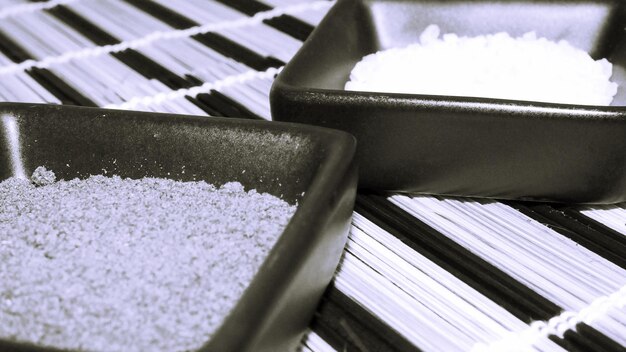
The 7 Most Critical Water Treatment Chemicals — What They Do, Why Purity Matters, and Where to Buy
Chemical 1: Aluminium Sulphate — The Primary Coagulant That Makes Everything Else Work
If there is one chemical that underpins water treatment in Pakistan more than any other, it is Aluminium Sulphate.
Known commercially as Alum, Aluminium Sulphate (Al₂(SO₄)₃) is the primary coagulant used in conventional water clarification worldwide — and Pakistan is no exception. It is used in municipal water treatment plants from Lahore to Karachi, in industrial water clarification for textile dyeing, food processing, and paper manufacturing, in swimming pool water treatment, and in industrial effluent treatment systems across every sector.
The chemistry: When Aluminium Sulphate dissolves in water at the correct pH (6.5–7.5 for optimum performance), it hydrolyses to form aluminium hydroxide — Al(OH)₃ — a gelatinous, positively charged floc. This floc is physically and electrostatically attracted to the suspended particles, colloids, bacteria, and organic matter in the water — which are typically negatively charged. The floc sweeps through the water column, capturing contaminants and aggregating them into larger particles (flocs) heavy enough to settle by gravity in clarification tanks or be removed by filtration.
The result: turbidity removed, colour reduced, bacterial load reduced, and the treated water clarified to a level suitable for its intended use or discharge.
The critical specification: Minimum 17% Al₂O₃ content. This is non-negotiable for effective coagulation performance. Aluminium Sulphate plays a crucial role in improving water clarity — excessive use can lead to higher aluminium content in treated water, which has long-term health implications. Sitara This is exactly why correct dosing — and accurate Al₂O₃ content in your COA — matters so profoundly. Under-specification means poor coagulation and compliance failure. Over-dosing means aluminium residual in your treated water and potential regulatory issues.
Available forms: Lumps (for dissolution tanks), granular (for mechanical dosing), and crushed (for fast-dissolution continuous feed). The Chemical House supplies all three forms with batch-specific COA confirming Al₂O₃ content.
Dosing guidance: Typical doses for municipal raw water range from 5–50 mg/L depending on turbidity. Industrial effluent coagulation typically requires 50–200 mg/L depending on suspended solids concentration. Always conduct jar tests to determine optimum dose for your specific water.
Chemical 2: Sulphuric Acid — The pH Control Chemical Your System Cannot Operate Without
Sulphuric Acid (H₂SO₄) is one of the most essential chemicals in any comprehensive water treatment programme — and one of the most dangerously mishandled in Pakistani industrial facilities.
In water treatment, Sulphuric Acid serves three critical functions:
pH adjustment for coagulation: Aluminium Sulphate is most effective at pH 6.5–7.5. When raw water has an alkaline pH — common in areas with carbonate-rich groundwater — adding Sulphuric Acid before or alongside the coagulant brings the pH into the optimum coagulation range, dramatically improving floc formation and settling performance. A coagulation programme running at pH 8.5 instead of 7.0 can reduce coagulant effectiveness by 30–50% — and the root cause is often simply that no one is checking or adjusting the incoming water pH.
RO membrane pre-treatment: Reverse osmosis membrane systems used for high-purity water production require feed water at pH 6.5–7.0 to prevent carbonate scaling on the membrane surface. Sulphuric Acid is the standard pH-reducing agent used in RO pre-treatment. Incorrect pH causes irreversible carbonate scale formation that permanently reduces membrane flux and shortens membrane life — one of the most expensive avoidable failures in industrial water treatment.
Cooling tower and boiler water pH control: Industrial cooling water and boiler feed water pH must be precisely controlled — typically 7.0–8.5 for cooling towers and 10.5–11.5 for high-pressure boilers. Sulphuric Acid is used to correct alkaline pH drifts and maintain stable chemistry that prevents corrosion and scale simultaneously.
Safety is non-negotiable: Concentrated Sulphuric Acid (98%) is a GHS Class 8 corrosive and strong oxidiser. Every facility handling it must have acid-resistant storage tanks, proper secondary containment, full PPE protocols (face shields, acid-resistant gloves, acid suits), emergency eyewash stations, and a current GHS-compliant SDS posted at every handling point. The Chemical House provides all required safety documentation with every order.
Chemical 3: Calcium Carbonate — The pH Stabiliser That Protects Your Distribution System
This is the water treatment chemical that almost nobody talks about — and almost every municipal and industrial water treatment facility in Pakistan is under-using.
Calcium Carbonate (CaCO₃) — in its powder form — is used for remineralisation and pH stabilisation of treated drinking water and process water after the acidification and coagulation stages of treatment. Here is the problem it solves:
When water is acidified for coagulation (using Sulphuric Acid) and then filtered and disinfected, it often emerges from the treatment process at a pH below 7.0 — slightly acidic. Acidic water (sometimes called “aggressive” or “corrosive” water) attacks metal pipes, concrete tanks, and plumbing fittings from the inside — dissolving iron, lead, and copper into the water, contaminating the product, and causing progressive infrastructure degradation. In Pakistan’s water distribution systems — where pipe infrastructure is already stressed — this is a critical and largely invisible problem.
Adding Calcium Carbonate as a post-treatment step raises pH to the optimal 7.0–8.5 range and deposits a thin, protective calcium carbonate layer on pipe surfaces (the Langelier Saturation Index principle) — physically protecting the metal from corrosive attack. In industrial cooling systems, it prevents corrosive underdeposit attack on heat exchanger surfaces that causes pitting and failure.
In industrial ETP systems, Calcium Carbonate powder is used to neutralise strongly acidic effluent from textile mills, tanneries, pharmaceutical manufacturers, and chemical plants — helping facilities comply with NEPA EQS pH discharge limits (6.0–10.0 for industrial effluent) at a lower cost than using sodium hydroxide for the same pH correction.
Chemical 4: Rock Salt — The Regenerant That Keeps Your Water Softener Working
Across Pakistan’s industrial sector — textile dyeing operations, food and beverage production, pharmaceutical manufacturing, hospital sterilisation units, and commercial laundries — ion exchange water softening systems are deployed to remove calcium and magnesium ions (hardness) from process water.
Rock Salt — sodium chloride (NaCl) — is the regenerant that restores the ion exchange resin’s hardness-removal capacity after it has become exhausted with calcium and magnesium. Without regular, consistent regeneration with high-purity industrial rock salt, the resin stops softening, hard water enters your process, and scale begins forming on heat transfer surfaces, membranes, pipes, and process vessels.
The consequences of inadequate regeneration are severe and progressive:
In textile dyeing, hard water interferes with reactive dye chemistry — calcium and magnesium ions compete with dye molecules for fibre bonding sites, reducing dye exhaustion and producing inconsistent, faded shades. The same batch recipe produces different results depending on the hardness of the water used — a quality control nightmare that is often misdiagnosed as a dye problem or a machine problem.
In boilers, hard water scale has a thermal conductivity approximately 30 times lower than steel. Even a 3mm scale deposit reduces boiler efficiency by 15–20% and creates localised overheating that causes pressure vessel failures — the most dangerous and expensive form of boiler failure.
In RO systems, hard water scale (calcium carbonate and calcium sulphate) on the membrane surface reduces permeate flux and increases energy consumption — the characteristic “declining performance” curve that RO operators dread.
Procurement point: Industrial Rock Salt for water softener regeneration should be coarse-grade (to prevent bridging in brine tanks) and high-purity NaCl (ideally 99%+ NaCl). Pakistan’s own Khewra Mine produces world-class rock salt — and The Chemical House supplies certified grades directly. See also our Magnesium Sulphate page for magnesium management in boiler water chemistry.
Chemical 5: Magnesium Sulphate — The Boiler Water Additive and Process Water Stabiliser
Magnesium Sulphate (MgSO₄) plays several specific and often overlooked roles in industrial water treatment in Pakistan.
In biological wastewater treatment systems — activated sludge plants, membrane bioreactors (MBR), and sequencing batch reactors (SBR) — magnesium is an essential macronutrient for the microbial biomass that performs biological oxidation of organic matter. Wastewater from certain industrial processes (pharmaceutical API synthesis, food processing, some textile finishing) can be magnesium-deficient, leading to poor sludge settleability, rising biomass, and declining biological treatment efficiency. Adding Magnesium Sulphate as a nutrient supplement restores microbial metabolic activity and treatment performance.
In cooling tower water chemistry, Magnesium Sulphate is used to maintain the magnesium-to-calcium ratio in the recirculating water — a parameter that influences the precipitation tendency of magnesium hydroxide (brucite) scales at elevated temperatures and pH. Monitoring and controlling this ratio prevents a specific form of scale that is far harder to remove than calcium carbonate scale and causes severe fouling on heat exchanger surfaces.
In swimming pool water chemistry, Magnesium Sulphate is sometimes used to raise total dissolved solids (TDS) in low-TDS pool water, improving the “feel” of the water and reducing equipment corrosion that occurs in very low-TDS environments.
In agricultural irrigation water conditioning — increasingly relevant in Pakistan’s water-stressed farming regions — Magnesium Sulphate addition corrects magnesium deficiency in irrigation water, simultaneously supplying sulphate that counters sodium hazard (SAR) effects in sodic soils.
Chemical 6: Citric Acid — The Descaling Agent That Saves Your Equipment
Citric Acid Monohydrate is one of the safest, most effective, and most widely used descaling agents in industrial water systems — and its role in Pakistani industrial water management is significantly underappreciated.
The descaling problem in Pakistan’s water systems is severe. Pakistan’s groundwater — particularly in Punjab — has extremely high natural hardness (calcium and magnesium bicarbonate concentrations of 300–600 mg/L CaCO₃ equivalent are common in Lahore, Faisalabad, and surrounding areas). This means that boilers, heat exchangers, RO membranes, cooling coils, pasteurisers, and any equipment handling hot or concentrated water will accumulate calcium carbonate, calcium sulphate, and silica scale at a rate that demands regular acid cleaning.
Citric Acid offers a uniquely attractive combination of properties for this application:
Effectiveness: Citric acid dissolves calcium carbonate scale readily — the acid reacts with CaCO₃ to form soluble calcium citrate, CO₂, and water. It also chelates iron and other metal ions, helping to remove iron oxide deposits that often coat calcium scale and make it harder to dissolve with mineral acids.
Safety: Unlike hydrochloric or sulphuric acid — which are effective descalers but extremely corrosive, fuming, and dangerous — Citric Acid is a mild organic acid that can be handled by maintenance teams without full acid-protection PPE. It does not attack most stainless steels, copper alloys, or rubber gaskets at the concentrations used for descaling (2–10% solutions).
Food safety: For food and beverage processing equipment, pharmaceutical water systems, and hospital sterilisation units, Citric Acid is the only descaling agent approved for use on food-contact surfaces without requiring complete equipment dismantling and neutralisation. It is classified as food-safe (E330) and is used globally for CIP (clean-in-place) descaling of dairy equipment, heat exchangers, RO membranes, and filling lines.
Typical applications in Pakistan: RO membrane cleaning and preservation (1–2% Citric Acid solutions), boiler descaling (5–10% solutions with inhibitor), heat exchanger cleaning in food and pharmaceutical plants, cooling tower cleaning, and removal of hard water deposits from industrial equipment.
Chemical 7: Formic Acid — The ETP pH Regulator and Effluent Acidifier
Formic Acid (HCOOH) is used in industrial effluent treatment operations for precise pH adjustment of alkaline wastewater streams — a specific application where its high acid strength (pKa 3.74, the strongest simple carboxylic acid), complete water miscibility, and biodegradable profile make it uniquely suitable.
The ETP application: Textile mill wastewater after reactive dyeing and alkaline scouring operations typically has a pH of 9–11 — far above the NEPA EQS discharge limit of 6–10 for industrial effluent. Before biological treatment (which requires pH 6.5–8.5 for optimal microbial activity) and before discharge, this alkaline effluent must be acidified. Formic Acid is used alongside Sulphuric Acid for this pH correction — providing precise, controllable acidification in smaller dosing increments than the mineral acid.
In the leather tannery effluent treatment sector — one of Pakistan’s most regulated industries due to the combined organic load, chromium, and sulphide content of tannery wastewater — Formic Acid is used in the chromium recovery stage to acidify chrome-containing effluent before precipitation and recovery.
In food and beverage effluent treatment, Formic Acid’s food-safe profile and biodegradability make it preferred over mineral acids for pH adjustment of food processing wastewater before biological treatment, where mineral acid residues could inhibit the activated sludge biomass.
The 85% concentration grade is standard for most ETP pH correction applications. The 90% grade is preferred where precise, lower-volume dosing is required, or in chemical manufacturing processes where higher acid activity per litre is needed.
The Water Treatment Chemical Dosing Guide for Pakistan's Industrial Facilities
Every facility’s water treatment requirements are unique — your raw water quality, your process demands, your discharge requirements, and your treatment system design all influence the optimum chemical programme. However, these starting-point guidelines apply to the majority of Pakistan’s industrial water treatment situations:
Coagulation (Aluminium Sulphate):
- Drinking water treatment: 5–30 mg/L Al₂SO₄ (jar-test optimised for your raw water)
- Industrial clarification: 20–80 mg/L
- Effluent treatment (textile/paper): 50–200 mg/L
- Optimum pH range: 6.5–7.5 (adjust with H₂SO₄ if alkaline, with lime if acidic)
pH Adjustment (Sulphuric Acid):
- RO pre-treatment: target pH 6.5–7.0 (typically 2–10 mg/L H₂SO₄ for carbonate-alkaline water)
- Coagulation optimisation: adjust to pH 6.5–7.5 before coagulant addition
- ETP acidification: pH target 6.5–8.0 for biological treatment feed
Remineralisation (Calcium Carbonate):
- Post-treatment pH stabilisation: dose to achieve Langelier Saturation Index of 0 to +0.5
- ETP neutralisation: sufficient to neutralise effluent to pH 6.0–9.0 (NEPA EQS)
Water Softener Regeneration (Rock Salt):
- Standard residential/commercial softener: 200–500g NaCl per litre of resin per regeneration cycle
- Industrial softener: consult resin manufacturer’s specifications for your specific resin type and hardness load
Boiler Water Chemistry (Magnesium Sulphate):
- Biological treatment nutrient supplement: 50–100 mg/L MgSO₄ in feed to activated sludge where Mg-deficiency is identified
- Consult your boiler water treatment programme specialist for specific dosing rates
Descaling Frequency (Citric Acid):
- RO membranes: monthly acid cleaning with 1–2% Citric Acid when normalised pressure differential rises 15% above baseline
- Heat exchangers: quarterly at minimum in hard water areas (pH 3 Citric Acid solution, 4-hour soak)
- Boilers: annual descaling or when scale thickness reaches 0.5mm by ultrasonic inspection
The 5 Most Expensive Water Treatment Mistakes in Pakistan's Industrial Sector — And How to Avoid Every One
Across years of supplying water treatment chemicals to Pakistan’s most demanding facilities, these are the five failures we see most frequently — and the ones that cost the most to recover from:
Mistake 1: Buying coagulant on price without specifying Al₂O₃ content. The most common and most expensive error. A drop from 17% to 14% Al₂O₃ means a 17% reduction in coagulant activity — you need 17% more volume to achieve the same clarification result, you pay for that extra volume, and you still risk failing your treated water turbidity standard. Always demand a batch COA confirming Al₂O₃ content before accepting any Aluminium Sulphate delivery. See our Aluminium Sulphate page for our purity guarantee.
Mistake 2: Running your RO system without pH pre-adjustment. Pakistan’s groundwater is almost universally carbonate-alkaline — typical pH of 7.5–8.2. RO membranes designed for operation at pH 6.5–7.0 develop irreversible carbonate scale within weeks when feed water pH is not adjusted with Sulphuric Acid. A replacement RO membrane element costs Rs 25,000–80,000. pH adjustment costs a fraction of this per month.
Mistake 3: Ignoring post-treatment pH stabilisation. Facilities that acid-treat and filter their water without remineralising with Calcium Carbonate send corrosive water into their distribution infrastructure. Over 3–5 years, this causes progressive pipe deterioration that eventually requires infrastructure replacement — a cost measured in millions, not thousands.
Mistake 4: Allowing water softener resin exhaustion. The moment a softener passes hardness (the “hardness breakthrough” point), every piece of equipment downstream begins accumulating scale. Facilities that defer Rock Salt purchases to save money end up paying in energy efficiency losses, premature equipment failure, and emergency descaling costs that dwarf the salt savings.
Mistake 5: Neglecting ETP compliance chemistry. NEPA EQS compliance is not negotiable in 2025 — enforcement is increasing, penalties are escalating, and export customers are increasingly demanding compliance certification. The chemical cost of running a compliant ETP is a fraction of the cost of a single NEPA violation and shutdown order. Aluminium Sulphate, Sulphuric Acid, and Formic Acid for pH management, combined with Calcium Carbonate for final neutralisation, form the complete chemical backbone of an ETP programme that consistently meets NEPA discharge standards.
Why Your Water Treatment Chemical Supplier Is Your Most Important Environmental Compliance Partner
Pakistan’s industrial facilities are under regulatory, customer, and market pressure that is only increasing. NEPA enforcement is tightening. International buyers — particularly in the EU and US markets — are requiring environmental compliance certification from their Pakistani textile, food, and pharmaceutical suppliers. And the economic cost of water-related failures — scale, corrosion, poor product quality, equipment downtime — is becoming visible in board-level financial reporting.
In this environment, the quality and documentation standard of your water treatment chemicals is not a procurement detail. It is a compliance and business continuity variable.
The Chemical House supplies the complete range of water treatment chemicals — Aluminium Sulphate, Sulphuric Acid, Calcium Carbonate, Rock Salt, Magnesium Sulphate, Citric Acid Monohydrate, Formic Acid, and Limestone for ETP neutralisation — with batch-specific COA documentation, GHS-compliant SDS, and the supply consistency that makes your treatment programme work as designed, every month, without interruption.
We are registered with Pakistan’s Directorate General of Industries and operate as a documented, compliant importer. Our customers in Lahore, Karachi, Faisalabad, Sialkot, Gujranwala, and across Pakistan are not just buying chemicals — they are buying the assurance that their treatment programme has a certified, verifiable chemical foundation.
📞 +92 300 8408471 | ✉️ Info@thechemicalhouse.com | 📍 23-M Sheikh Plaza, Model Town, Lahore
→ Browse All Products | Check Ex Stock | Contact Our Team | Submit an Indenting Enquiry
Frequently Asked Questions
Which chemical is most commonly used for water treatment in Pakistan?
Aluminium Sulphate is the most widely used water treatment chemical in Pakistan — used for coagulation and clarification in municipal water plants, industrial process water systems, swimming pools, and effluent treatment plants across the country. It is the foundational coagulant in conventional water treatment because it is effective, economical, and well-understood. The critical specification is a minimum of 17% Al₂O₃ content — always demand a batch COA confirming this from your supplier. The Chemical House supplies certified Aluminium Sulphate in lumps, granular, and crushed grades from our Lahore facility with bulk availability for immediate dispatch.
What chemicals are used in industrial effluent treatment (ETP) in Pakistan?
A complete industrial ETP in Pakistan typically uses: Aluminium Sulphate as the primary coagulant for suspended solids removal; Sulphuric Acid or Formic Acid for pH adjustment of alkaline industrial effluent; Calcium Carbonate or lime for final neutralisation before discharge; Magnesium Sulphate as a nutrient supplement in biological treatment stages; and Citric Acid for equipment descaling. The specific chemical programme depends on your effluent characteristics and NEPA EQS requirements for your industry sector and discharge point. The Chemical House supplies all of these from Lahore with complete documentation for compliance purposes.
What is the NEPA standard for industrial wastewater discharge in Pakistan?
Pakistan’s National Environmental Quality Standards (NEQS) for industrial effluent specify: pH 6–10, biochemical oxygen demand (BOD₅) maximum 80 mg/L, chemical oxygen demand (COD) maximum 150 mg/L, total suspended solids (TSS) maximum 200 mg/L, and specific limits for heavy metals (chromium, lead, arsenic, mercury) depending on the industry sector. Textile mills, tanneries, pharmaceutical manufacturers, and food processors all face sector-specific standards. Achieving and maintaining compliance requires a chemically robust ETP programme using certified-quality treatment chemicals — not the cheapest available option.
How does Aluminium Sulphate work in water treatment?
Aluminium Sulphate coagulates water by dissolving and hydrolyzing to form positively charged aluminium hydroxide floc (Al(OH)₃). This floc is electrostatically attracted to the negatively charged suspended particles, colloids, bacteria, and organic matter in the raw water. The floc physically sweeps through the water column, capturing contaminants and aggregating them into settleable or filterable masses. The process works most efficiently at pH 6.5–7.5 — which may require pH adjustment with Sulphuric Acid for alkaline raw water. The optimum dose is determined by jar testing with your specific raw water and is typically 10–80 mg/L for drinking water and 50–200 mg/L for industrial effluent treatment.
Where can I buy water treatment chemicals in bulk in Lahore?
The Chemical House at 23-M Sheikh Plaza, Model Town, Lahore supplies the complete range of industrial water treatment chemicals — Aluminium Sulphate, Sulphuric Acid, Calcium Carbonate, Rock Salt, Magnesium Sulphate, Citric Acid Monohydrate, Formic Acid, and Limestone — in bulk quantities with batch-specific COA documentation, GHS-compliant SDS, and nationwide delivery across Pakistan. Call +92 300 8408471 or email Info@thechemicalhouse.com for current pricing, availability, and a formal quotation for your facility’s requirements.
Published by The Chemical House — Pakistan’s trusted registered importer and distributor of water treatment and industrial chemicals. Supplying Lahore, Karachi, Faisalabad, Sialkot, Gujranwala, Multan, Rawalpindi, and all major industrial cities across Pakistan.